
Most visitors recognize The Bahamas by color before they understand its symbols: aquamarine water, gold sunlight, bright flowers, and birds moving through wetlands and coastal landscapes.
But Bahamian identity is not built only through beaches. The country’s official symbols tell a deeper story about nature, independence, sea life, resilience, and the way island culture turns landscape into national meaning.
The Flag: Color as National Identity
The Bahamian flag is one of the clearest symbols of the country’s identity. Its black triangle represents the vigor and force of a united people. The gold represents the sun and land resources, while the aquamarine represents the sea surrounding the islands.
That matters because the flag does not separate people from place. It connects national identity directly to sun, sea, determination, and natural resources. To understand that fully, it helps to see the flag alongside Nassau’s history, especially the country’s path from colonial rule to independence.
Yellow Elder: The Flower That Belongs to the Islands
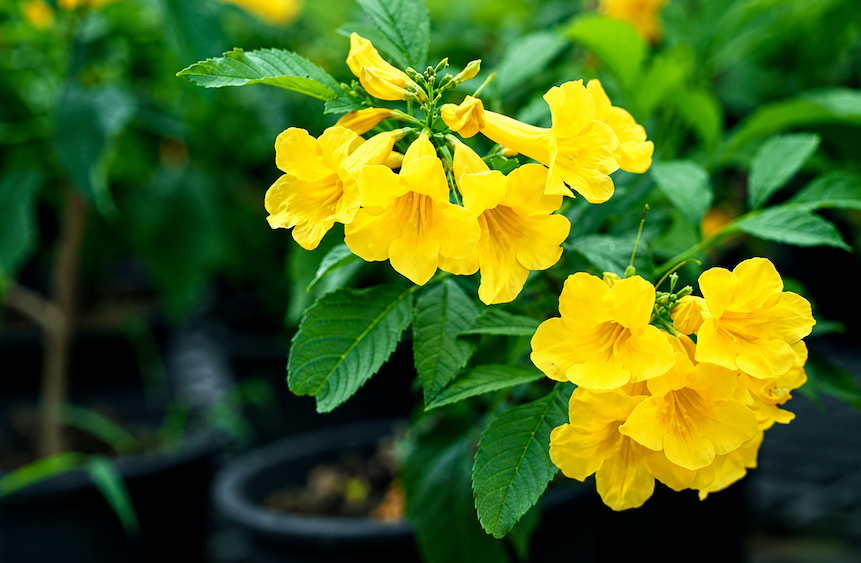
Yellow Elder is the national flower of The Bahamas. The Government of The Bahamas notes that it was chosen because it is native to the Bahama Islands and blooms throughout the year.
That makes it more than a decorative flower. Yellow Elder reflects continuity: a plant rooted in the islands, visible across seasons, and bright enough to match the country’s visual personality. It belongs naturally beside the color story told through Nassau’s pastel buildings, where brightness, climate, and identity also meet.
Flamingo and Blue Marlin: Land, Sea, and Movement
The Flamingo is listed as the national bird of The Bahamas, while the Blue Marlin is listed as the national fish. Together, they show how Bahamian identity moves between land, wetlands, sea, and sport.
The flamingo connects to the islands’ birdlife and natural habitats. The blue marlin connects to strength, deep water, and the marine world that surrounds the country. That connection to the sea is also why Bahamian regattas matter culturally: the ocean is not just scenery; it is part of national life.
Symbols You Can Actually Notice
The strongest thing about Bahamian symbols is that they do not feel abstract. You can see the colors of the flag in the water and light. You can see flowers in gardens, marine life in the country’s identity, and cultural symbols carried through music, food, and public life.
That is why symbols work differently in The Bahamas. They are not only official emblems. They are reminders of what people live around every day: sea, sun, plants, boats, birds, and community. Like Junkanoo in The Bahamas or conch in The Bahamas, they turn culture into something visible.
Practical Notes
This is not a checklist of things to do. The point is to read The Bahamas more carefully. Once you understand the symbols, the country’s colors, flowers, water, and public imagery start to feel less random and more connected.
When you see aquamarine, gold, flamingos, Yellow Elder, or references to the blue marlin, you are not just seeing design. You are seeing how The Bahamas explains itself.
What Cruise Passengers Get Wrong
The mistake is thinking Bahamian identity begins and ends at the beach. Beaches are part of the story, but they are not the whole story.
The second mistake is not noticing symbols because they feel too familiar. A flag, a flower, a bird, or a fish can look simple at first. In The Bahamas, those symbols point back to land, sea, independence, and the daily environment that shapes island life.
FAQ
What is the national flower of The Bahamas?
Yellow Elder is the national flower of The Bahamas.
What is the national bird of The Bahamas?
The Flamingo is listed as the national bird of The Bahamas.
What is the national fish of The Bahamas?
The Blue Marlin is listed as the national fish.
What do the colors of the Bahamian flag mean?
Black represents the strength of the people, gold represents the sun and land resources, and aquamarine represents the sea.
