
Aquamarine, gold and black. The colors of things to do in Bahamas are everywhere you look, but the flag that carries them tells a story most visitors never hear. Here is what every element of the Bahamian flag actually means.
The Flag and Its Origin
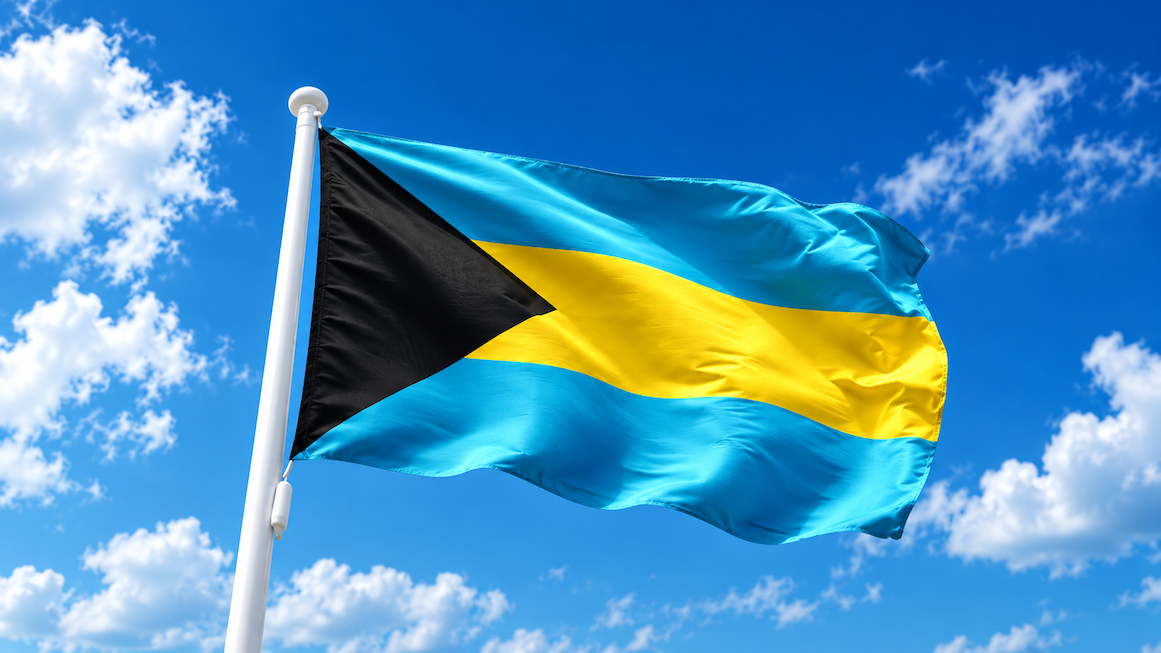
The flag was officially adopted on July 10, 1973, the same day the country gained independence from the United Kingdom. It was the result of a national competition in which no single entry was selected as the winner. Elements from multiple submissions were combined into the final design, and Hervis Bain is the Bahamian artist credited with the foundational work. The flag features three horizontal bands of aquamarine at top and bottom with a gold stripe in the center, and a black equilateral triangle pointing inward from the hoist side. The full context for the flag and other symbols that define nassau tourism is covered in the Bahamian national symbols guide.
Aquamarine: The Sea
The aquamarine color appears twice, on the top and bottom bands, and represents the sea surrounding every island of the archipelago. The Bahamas is made up of more than 700 islands and cays, and the ocean is the defining reality of the country. The aquamarine was chosen to mirror the specific shade of Bahamian waters, lighter and brighter than standard navy or royal blue. It is the same water that makes these islands what to do in nassau travelers most associate with the destination. For the historical origins of the people who first inhabited these shores, the Lucayans first people guide covers the indigenous roots of the islands.
Gold: The Land and Its Resources
The gold stripe in the center represents the sun, the sandy beaches and the natural resources of the land. It is a deliberate symbol of economic ambition and natural abundance. The nassau travel guide context for the gold stripe matters because the nassau attractions and resort culture that travelers experience today are exactly what the flag's designers were pointing toward. The potential and prosperity of a newly independent nation, rendered in gold. The official national archive is at bahamas.gov.bs.
Black: The People
The black equilateral triangle on the hoist side points inward and officially represents the unity, vigor, force and determination of the Bahamian people to develop and possess the rich resources of land and sea. It is a directional symbol pointing forward toward the future. This is one of the best things to do in nassau from a cultural standpoint: stand at Rawson Square or Clifford Park and understand that every element of the flag was chosen with intention. For visitors looking for things to do near nassau cruise port that connect to Bahamian history, both sites are a short walk from Prince George Wharf.
The First Raising
The flag was first hoisted at one minute past midnight on July 10, 1973, at the independence ceremony at Clifford Park, in front of an estimated 50,000 people. It has not changed since. The nassau excursions that include a stop at Parliament Square connect visitors to that history directly. The full bahamas travel guide context is at britannica.com. For the earliest colonial history that preceded independence, the Eleutheran Adventurers guide traces the islands from the first settlers through to independence.
FAQ
What do the colors of the Bahamas flag mean?
Aquamarine represents the sea surrounding the islands. Gold represents the sun, the beaches and the natural resources of the land. Black represents the unity, vigor, force and determination of the Bahamian people.
Who designed the Bahamas flag?
The flag was the result of a national competition. Elements from multiple submissions were combined, and Hervis Bain is the Bahamian artist credited with the foundational design.
When was the Bahamas flag adopted?
July 10, 1973. It was first hoisted at one minute past midnight at Clifford Park in Nassau on the day of independence.
What does the black triangle on the Bahamas flag mean?
It represents the unity, vigor, force and determination of the Bahamian people, pointing inward toward the future.
Has the Bahamas flag ever changed?
No. The flag adopted on July 10, 1973 has remained unchanged since the day of independence.
