
Island Life
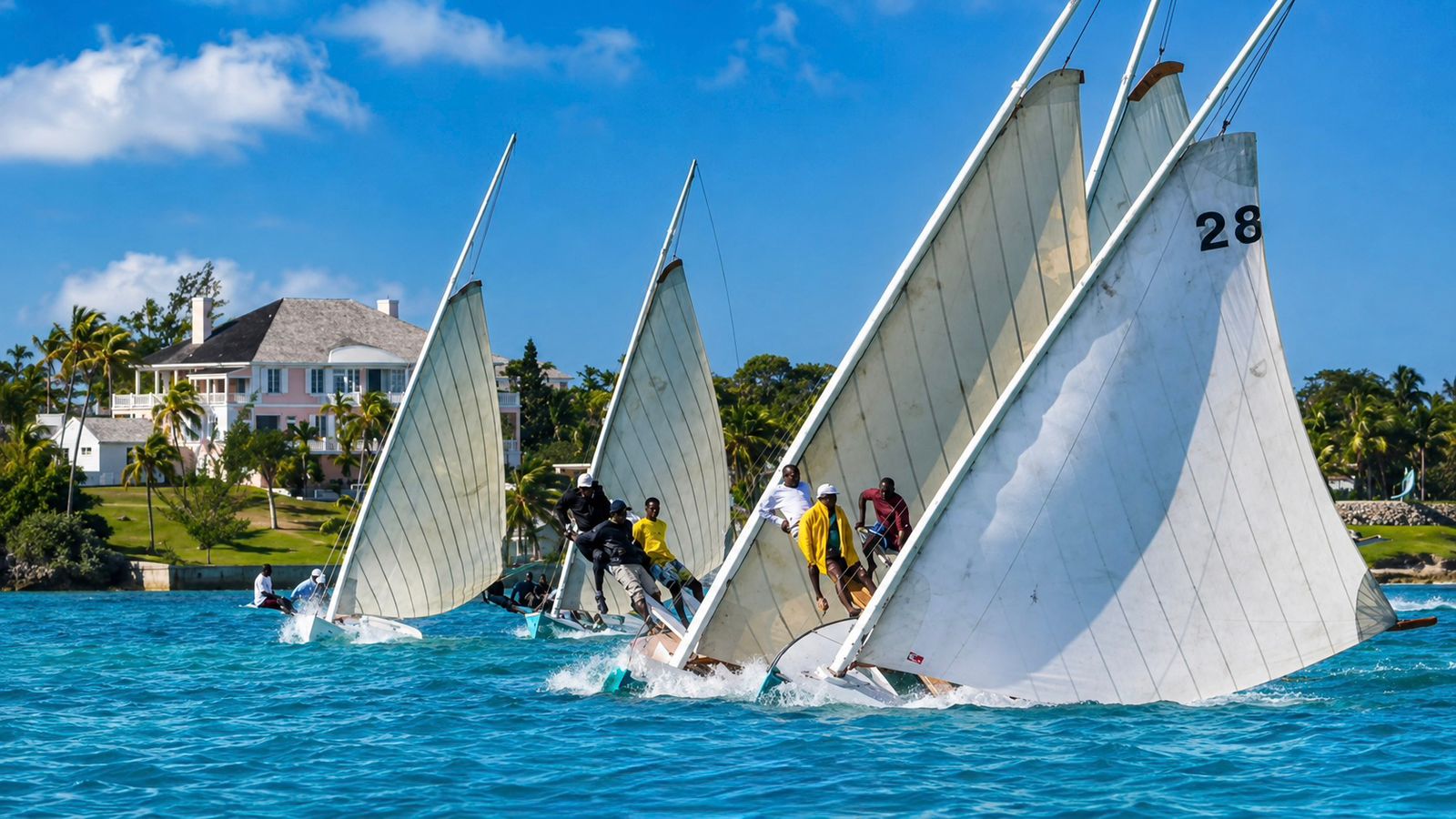
The Bahamian Sloop: A Boat Built From What the Island Gave You
A boat with frames cut from actual tree roots, a family that has built them for seven generations, and a folk song that became a Beach Boys hit. This is the Bahamian sloop.
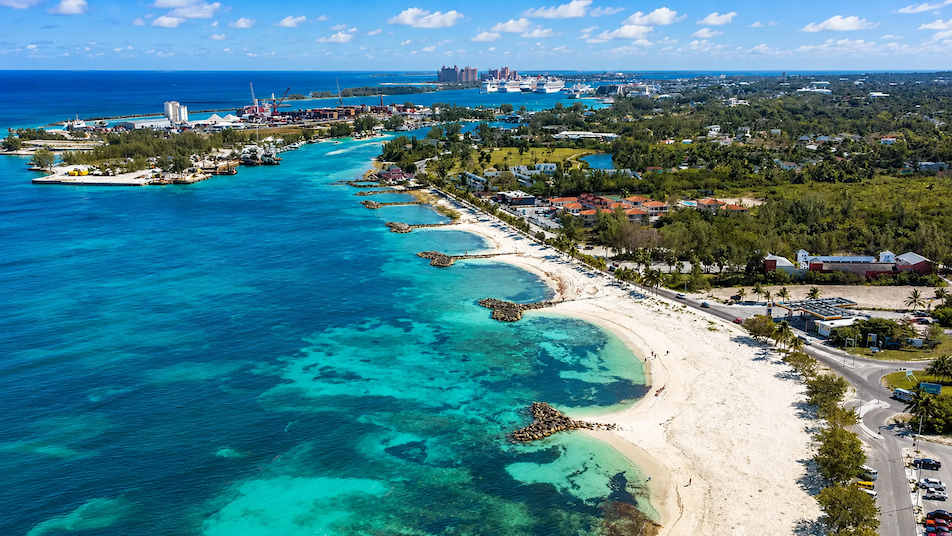
Saunders Beach: The Nassau Beach Locals Actually Use
Man-made rock groins, a reef close enough to reach on foot, and a fried chicken legend nobody can quite explain. This is Saunders Beach.
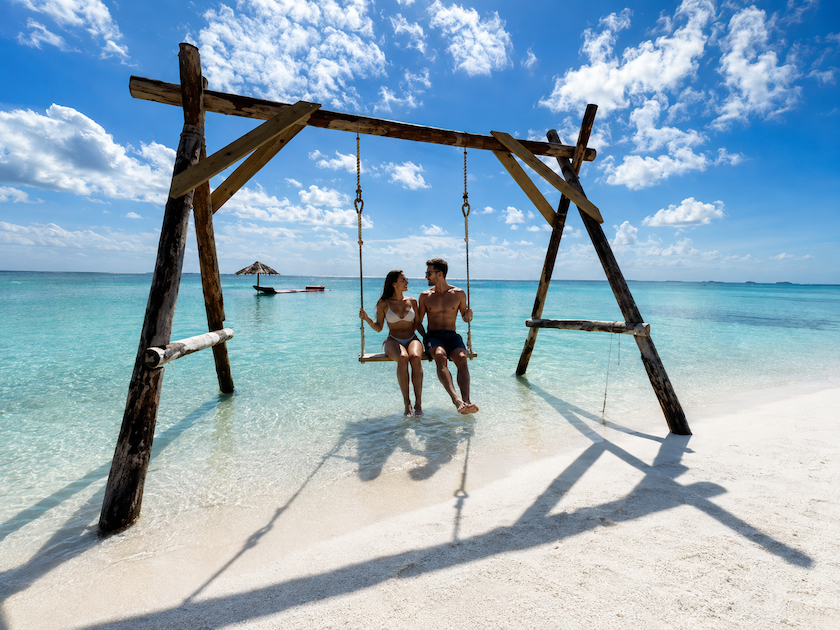
Adelaide Beach: The Nassau Beach Built by Freed Africans
No crowds, no jet skis, no resort towers. Just a beach with a history most visitors never hear, and a community that still calls it home.
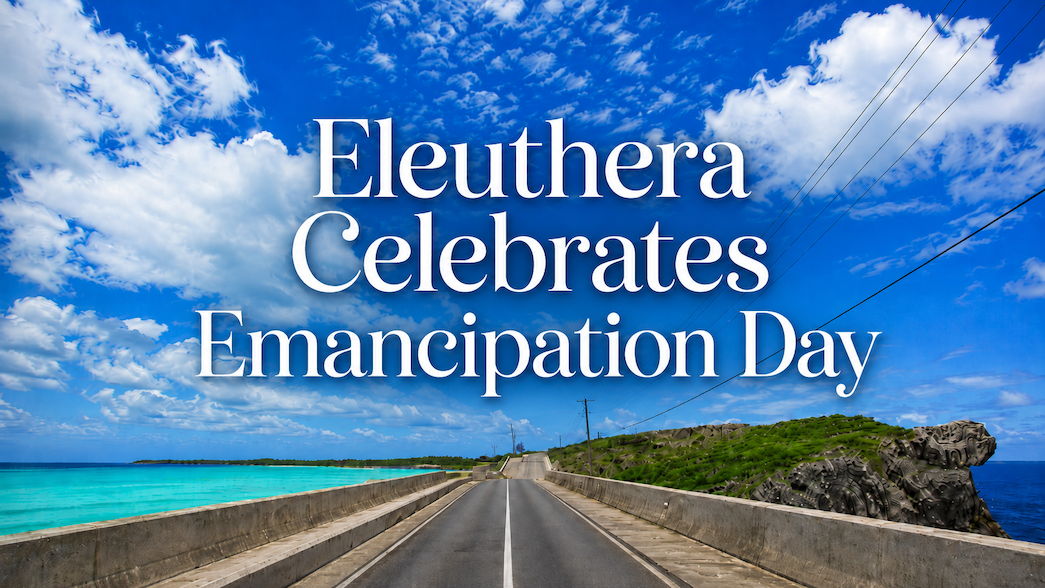
Why Eleuthera Celebrates Emancipation Day Three Times
Same island, same week, three separate homecomings. Here is what Bay Fest, Back to the Bay, and the Bannerman Town Festival actually look like on the ground.
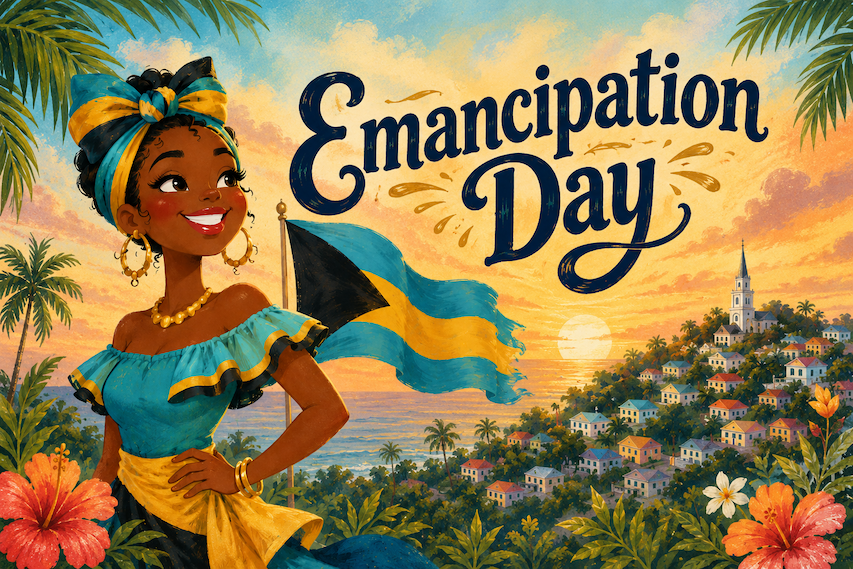
The Real History of Emancipation Day in the Bahamas
A law promised freedom in 1834. It took four more years, one renamed holiday, and an entire neighborhood built by freed people to become the celebration it is today.
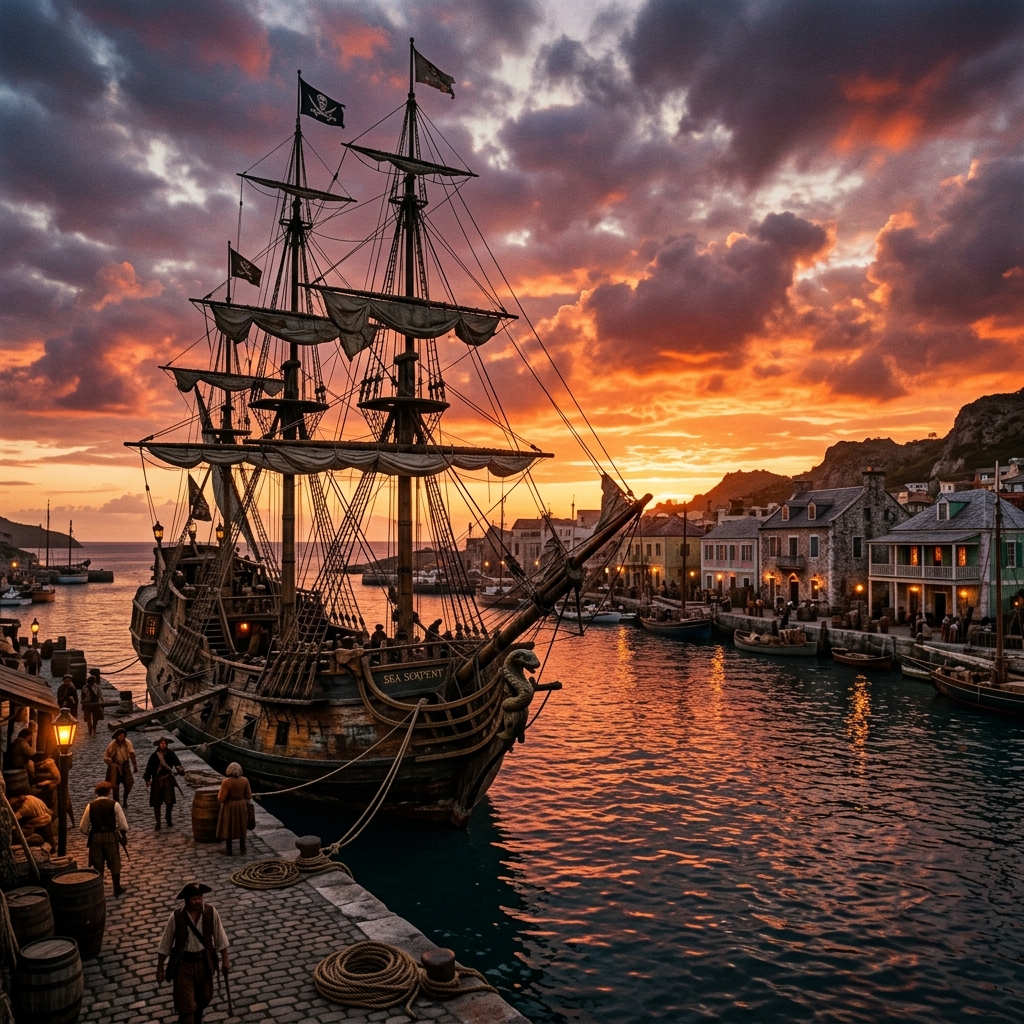
The Pirates of Nassau: The Republic That Actually Existed
Between roughly 1706 and 1718, Nassau was the closest thing the world has seen to a functioning pirate republic. Here is the real history of what happened and why it matters.
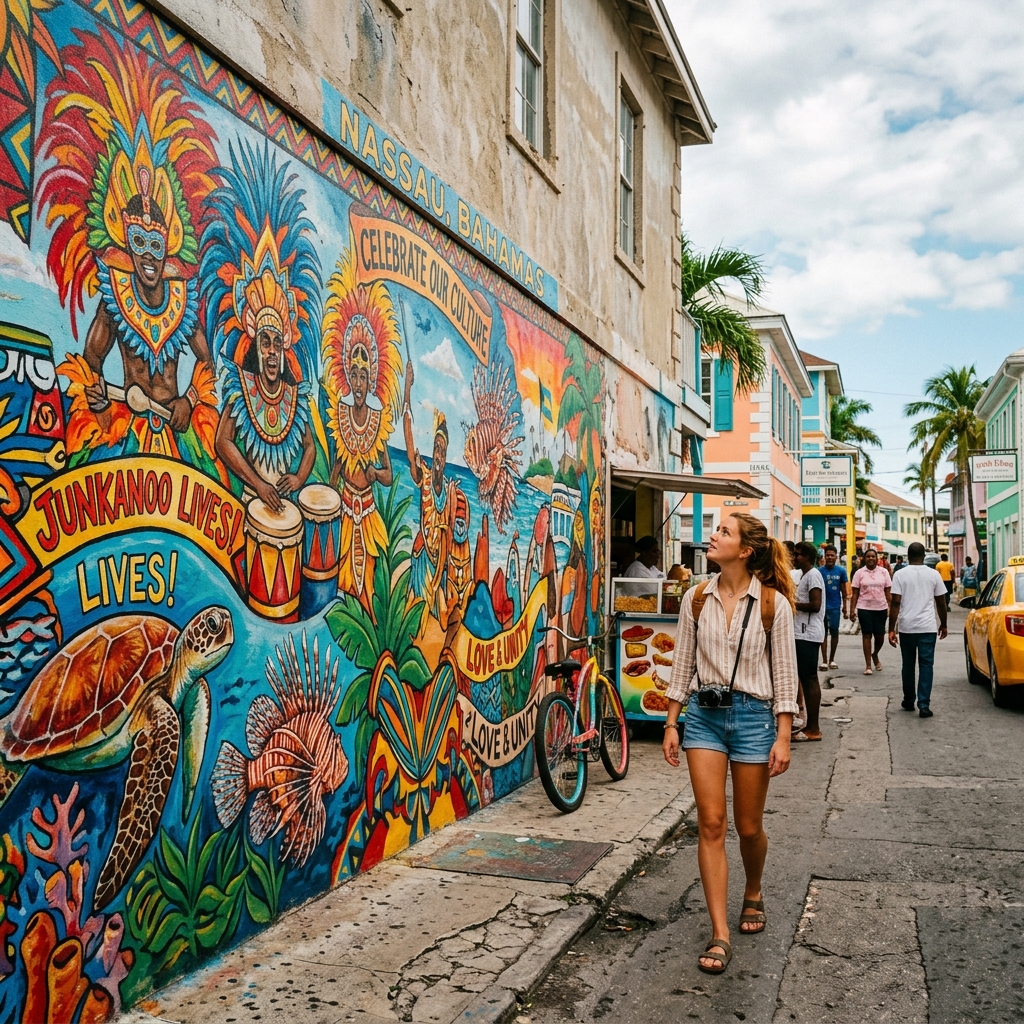
Nassau Street Art: A Neighbourhood Walk Guide
Nassau has a street art scene that is worth seeking out — murals depicting Bahamian history, culture, and identity in neighbourhoods that most cruise guides never mention.
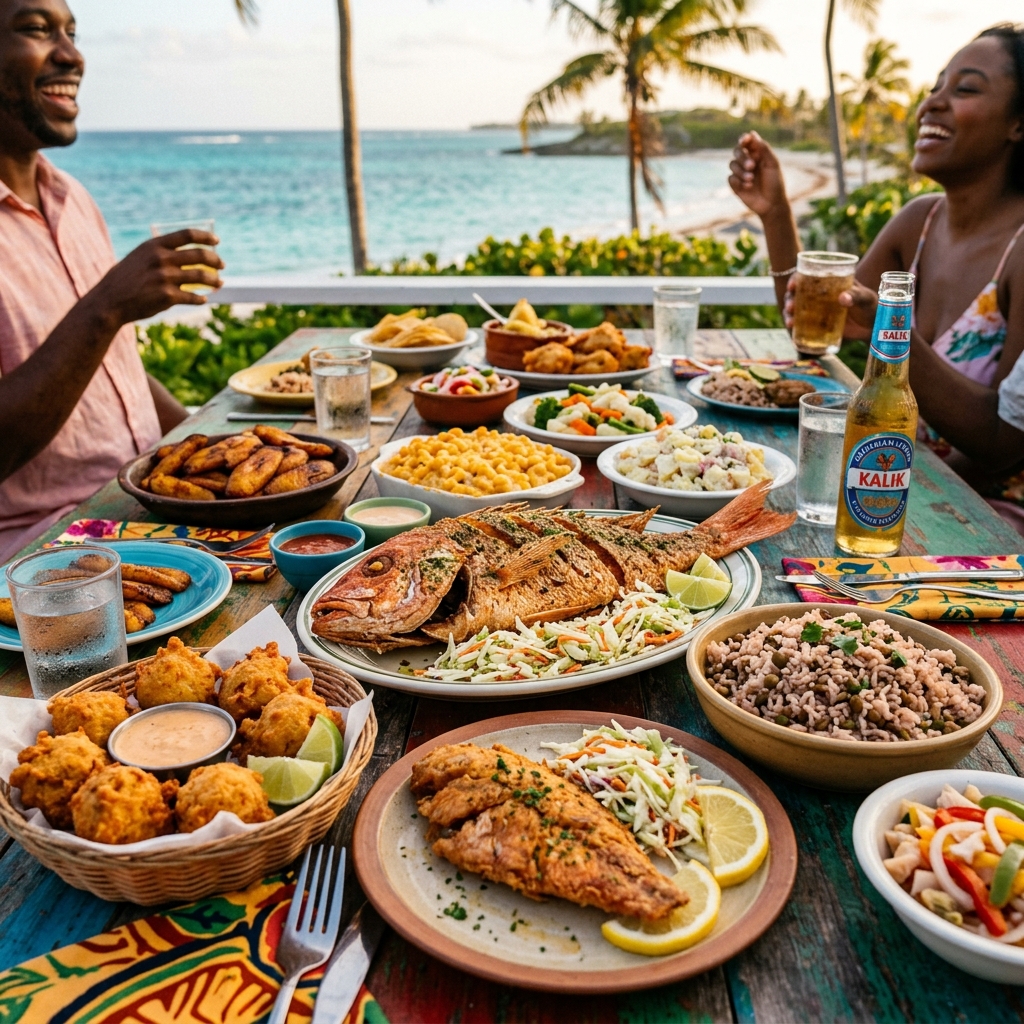
Bahamian Food Culture: What Shapes the Nassau Table
Bahamian cuisine has West African, British colonial, and Caribbean roots, a specific geography, and a set of ingredients that exist nowhere else. Here is what shapes the Nassau table.
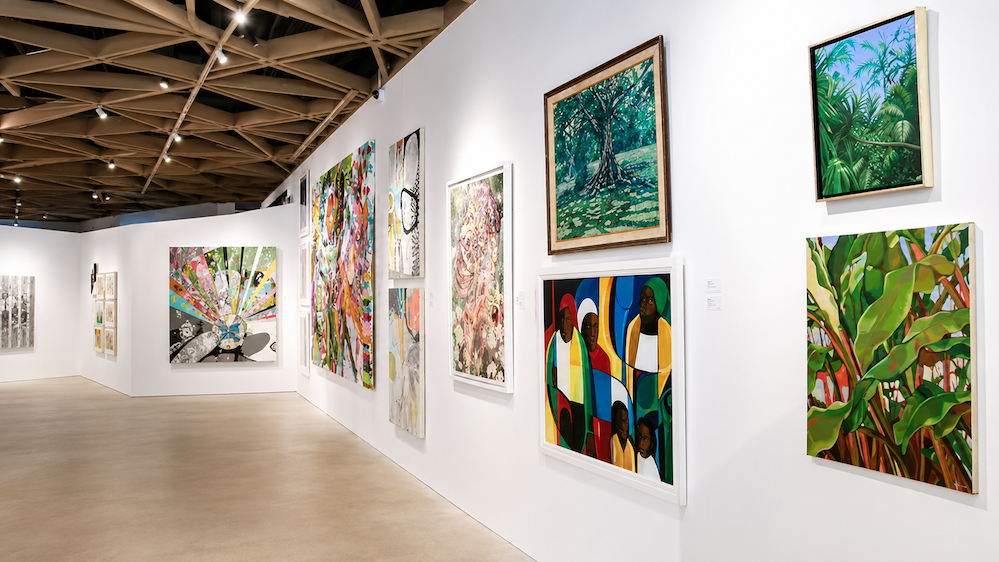
The Current: Baha Mar Gallery and Art Center — Nassau's Cultural Heart
The Current: Baha Mar Gallery and Art Center houses more than 2,500 pieces of Bahamian art, two gallery spaces, an annual art fair and a boutique. Here is everything to know before visiting.
